 Save
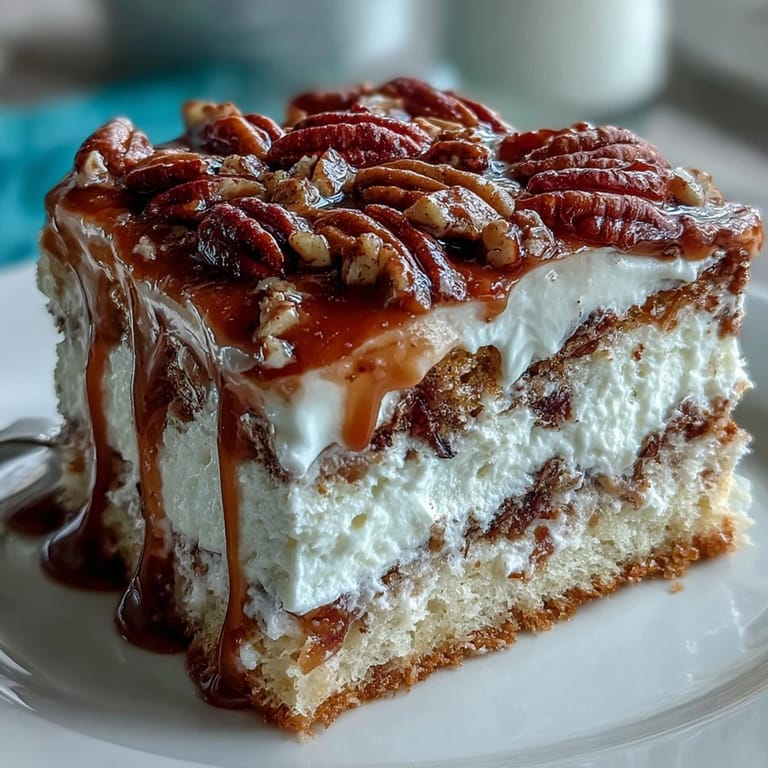
Save The first time I encountered tres leches cake was at a friend's abuela's house in San Antonio, where she served it in humble chipped bowls that made it taste even better. I was skeptical about milk-soaked cake until that first spoonful hit my tongue—suddenly I understood why this dessert spans generations and borders. Adding butter pecans came from a happy accident years later when I had leftover candied pecans from a Thanksgiving experiment. Something about the toasted nuts cutting through all that cream just makes perfect sense.
Last summer I made this for my sister's birthday, and she practically hovered over the refrigerator while it soaked, sneaking forkfuls every time she walked past. The kitchen smelled like warm vanilla and toasted pecans all day long. There's something deeply satisfying about poking all those holes in the warm cake and watching the milk mixture disappear like magic into the sponge.
Ingredients
- All-purpose flour: Provides the structure needed to hold all that milk without collapsing completely
- Baking powder: Gives the cake just enough lift to create those tender milk-absorbing pockets
- Unsalted butter: Softened properly, it creates the perfect foundation for creaming with sugar until light and airy
- Granulated sugar: Sweetens the cake base while helping create that fluffy texture we want
- Eggs: Room temperature eggs incorporate better and help bind everything together beautifully
- Sweetened condensed milk: The backbone of the soaking mixture that makes tres leches what it is
- Evaporated milk: Adds richness without overpowering sweetness, balancing the condensed milk perfectly
- Pecans: Freshly chopped right before toasting brings out the most intense nutty flavor
- Brown sugar: Melts with butter to create that candied coating on the pecans that everyone fights over
- Heavy whipping cream: Cold cream whips up faster and holds those stiff peaks longer on top of the cake
Tired of Takeout? 🥡
Get 10 meals you can make faster than delivery arrives. Seriously.
One email. No spam. Unsubscribe anytime.
Instructions
- Get everything ready:
- Preheat your oven to 350°F and generously grease a 9x13-inch pan, because sticky cake corners are nobody's friend
- Whisk the dry team:
- Combine flour, baking powder, and salt in a medium bowl, then set it aside while you work on the butter
- Build the cake base:
- Cream the softened butter and sugar until it's pale and fluffy, then beat in eggs one at a time until each disappears completely
- Bring it together:
- Add vanilla first, then alternate between flour mixture and milk, starting and ending with the dry ingredients
- Bake until golden:
- Spread the batter evenly and bake for 25 to 30 minutes, until a toothpick comes out clean from the center
- Make the milk bath:
- Whisk together all three milks until completely smooth while the cake bakes, so it's ready to work immediately
- Poke and soak:
- Let the cake cool for exactly 10 minutes, then use a fork to make holes all over before slowly pouring the milk mixture over the surface
- Toast the pecans:
- Melt butter in a skillet and add chopped pecans with brown sugar, stirring constantly for about 5 minutes until everything's bubbly and fragrant
- Whip the cream:
- Beat cold heavy cream with powdered sugar and vanilla until stiff peaks form that hold their shape when you lift the beaters
- Assemble the masterpiece:
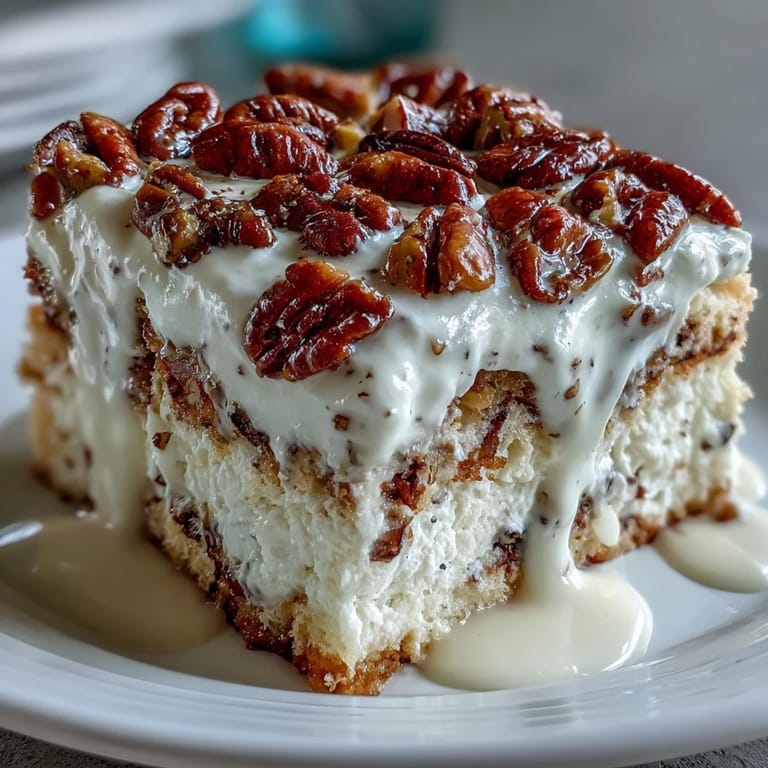
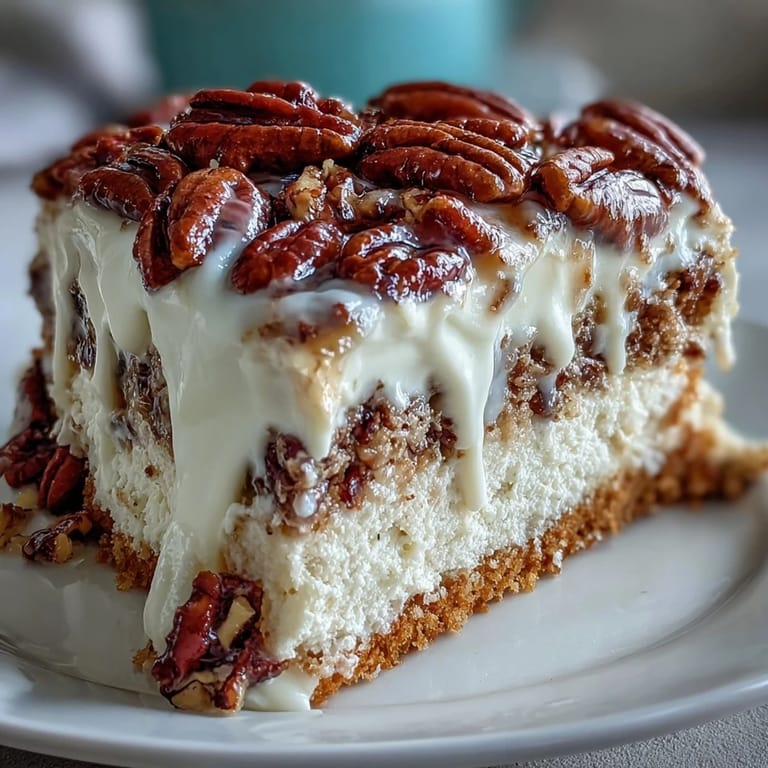
- Spread whipped cream over the soaked cake, then drizzle those buttered pecans all over the top while they're still slightly warm
 Save
Save My father-in-law still talks about the first time he tried this at our Fourth of July party, claiming he'd never understood the fuss about tres leches until that moment. Something about that combination of textures—creamy, crunchy, tender, rich—just feels like celebration on a plate.
Making It Ahead
This cake actually gets better with time, so I always make it the night before serving. The milk mixture has hours to work its way into every crumb, creating that impossibly moist texture that makes tres leches famous. Just keep it covered in the refrigerator and add the pecan topping right before serving for the best crunch.
Getting The Right Texture
The fork holes should go deep but not all the way through the cake—about halfway down is perfect. I've learned that pouring the milk mixture slowly, stopping to let it absorb before adding more, prevents that puddling problem some people struggle with at the edges of the pan.
Serving Suggestions
This cake needs nothing else, but sometimes I serve it with fresh berries on the side just to add something bright and tart against all that richness. It also pairs incredibly well with coffee after dinner, cutting through the sweetness perfectly.
- Let the cake come to room temperature for about 20 minutes before serving if it's been refrigerated overnight
- Toast the pecans until they're deeply fragrant because that toasted flavor carries the whole dessert
- Store any leftovers covered in the refrigerator for up to three days, though they rarely last that long
 Save
Save Every time I serve this, someone asks for the recipe, and I always smile remembering that first taste in San Antonio where I learned that sometimes the simplest ingredients, treated with patience and love, create the most unforgettable memories.
Recipe Help
- → Why is this cake called 'Tres Leches'?
Tres Leches, meaning "three milks," refers to the rich blend of sweetened condensed milk, evaporated milk, and whole milk used to soak the cake, giving it its signature moist and tender texture.
- → Can I prepare this dessert ahead of time?
Absolutely! This cake actually benefits greatly from being made in advance. Allowing it to rest overnight in the refrigerator lets the milk mixture fully absorb into the cake layers, deepening the flavors and enhancing its moistness. Simply add the whipped topping and butter pecan drizzle just before serving.
- → What kind of pecans should I use for the topping?
For the best butter pecan topping, use chopped pecans. Toasting them in butter and brown sugar brings out their rich, nutty flavor and adds a satisfying crunch that complements the tender cake.
- → Is the coconut milk essential for the tres leches mixture?
The unsweetened coconut milk is optional but highly recommended. It adds an extra layer of richness and a subtle tropical nuance to the milk soak, elevating the overall flavor profile without overpowering it.
- → How can I ensure my cake is perfectly soaked without being soggy?
After baking, let the cake cool slightly for about 10 minutes, then use a fork to poke numerous holes across the entire surface. Pour the tres leches mixture slowly and evenly over the cake, allowing it time to absorb. The resting time, ideally overnight, is crucial for proper absorption without sogginess.
- → Can I substitute any ingredients for dietary restrictions?
While the traditional version contains dairy, eggs, and gluten, some ingredients can be adjusted. For example, gluten-free flour blends may work for the cake, and dairy-free milks could potentially be used in the soak, though flavor and texture might vary. Always check for certified allergen-free ingredients if severe allergies are a concern.