 Save
Save My college dorm had a strict no cooking appliances policy, but somehow everyone had a microwave. I discovered this technique during finals week when the dining hall closed early and hunger struck at midnight. Now it is still my go-to when I need real food without the cleanup.
Last winter my sister called me at 10 PM, exhausted after a 12 hour shift, asking if I had any tricks for a real meal that did not involve takeout menus or dirtying half the kitchen. I walked her through this microwave method over the phone. She texted me 15 minutes later saying it was possibly the best pasta she had ever made, mostly because she was eating it from the same bowl she cooked it in while watching Netflix in her pajamas.
Ingredients
- Dried pasta: Short shapes like penne or fusilli cook most evenly because they have plenty of surface area exposed to the water
- Water: The exact ratio matters here because the pasta both cooks and absorbs the liquid as it goes
- Salt: Seasoning the cooking water means every bite of pasta will be flavorful, not just the sauce on top
- Olive oil or butter: This keeps the pasta from sticking together and adds a silky finish
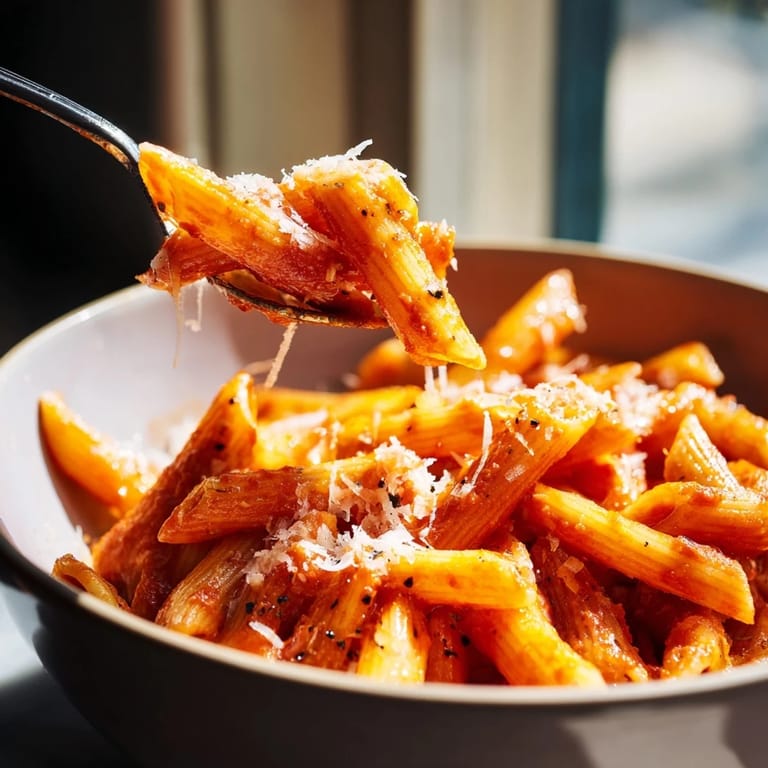
- Parmesan cheese: Freshly grated melts better and adds that umami richness that makes simple pasta feel special
Tired of Takeout? 🥡
Get 10 meals you can make faster than delivery arrives. Seriously.
One email. No spam. Unsubscribe anytime.
Instructions
- Get your bowl ready:
- Choose a microwave safe container that looks much too big for the amount of pasta you are using
- Combine everything:
- Add pasta, water, and salt to the bowl and give it a quick stir so nothing is clumped together
- Start cooking:
- Microwave uncovered on high for 4 minutes, then pause to stir and check how the water level looks
- Finish in bursts:
- Continue microwaving in 2 minute intervals, stirring between each, until the pasta is tender but still has a little bite and most liquid is gone
- Drain if needed:
- Pour off any remaining water but leave a tiny bit to help create a sauce when you add the oil
- Season and serve:
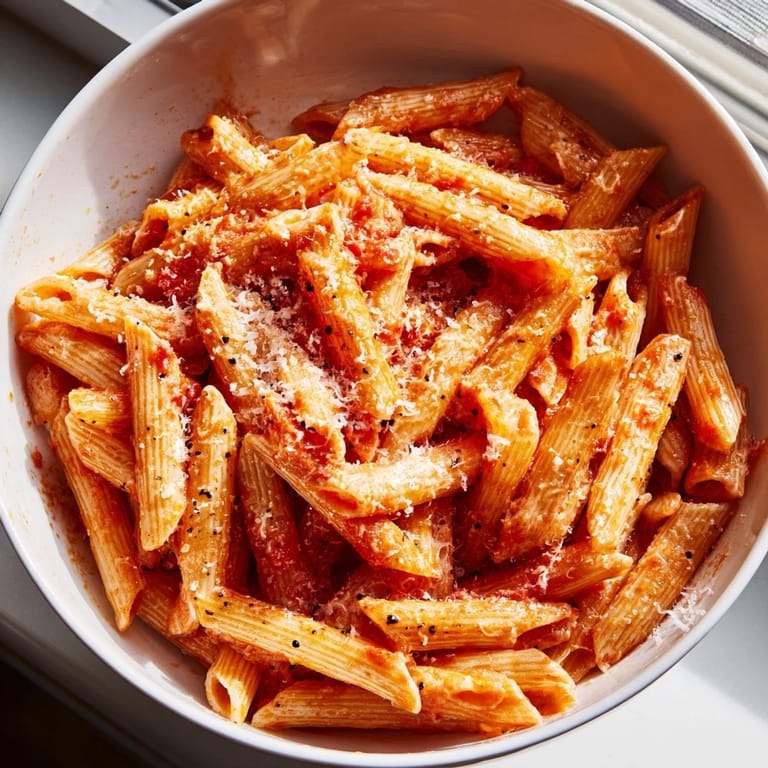
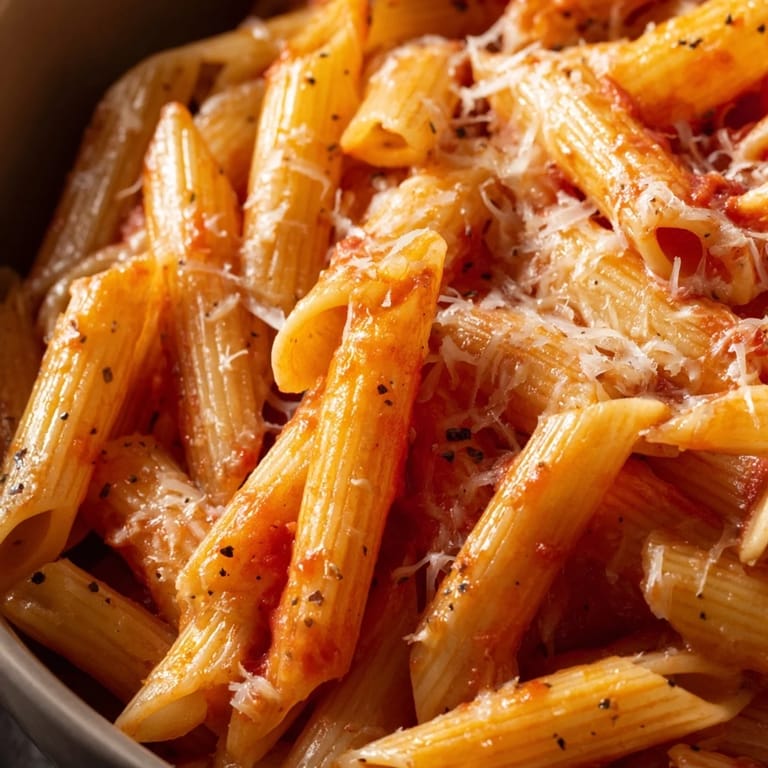
- Stir in olive oil, Parmesan, pepper, and any sauce you like, then eat right from the bowl
 Save
Save  Save
Save This recipe became my secret weapon during a tiny apartment phase when my kitchen consisted of a mini fridge, a coffee maker, and a microwave perched on a plastic crate. Now that I have a proper kitchen I still make it this way sometimes, just because it feels like a small act of rebellion against overcomplicated cooking.
Choosing the Right Pasta Shape
I learned the hard way that long pasta like spaghetti becomes an absolute disaster in the microwave. Short shapes with curves and tubes work best because they cook evenly and do not try to escape the bowl. Elbows, cavatappi, and farfalle have never let me down.
Timing Is Everything
After years of making this I have learned that 2 minute intervals after that first 4 minutes are the sweet spot. Longer intervals increase the risk of boil over disasters, and nobody wants to clean exploded pasta water from the ceiling of their microwave.
Make It Your Own
Once you have the basic method down you can start experimenting with add ins that cook alongside the pasta. I have thrown in frozen peas during the last 2 minutes, added a crack of an egg for a carbonara inspired version, and even used vegetable broth instead of water for an instant flavor boost.
- Keep frozen vegetables on hand to toss in near the end
- A splash of pasta water from a jar sauce can add extra body
- Leftover rotisserie chicken makes this a complete meal in minutes
 Save
Save 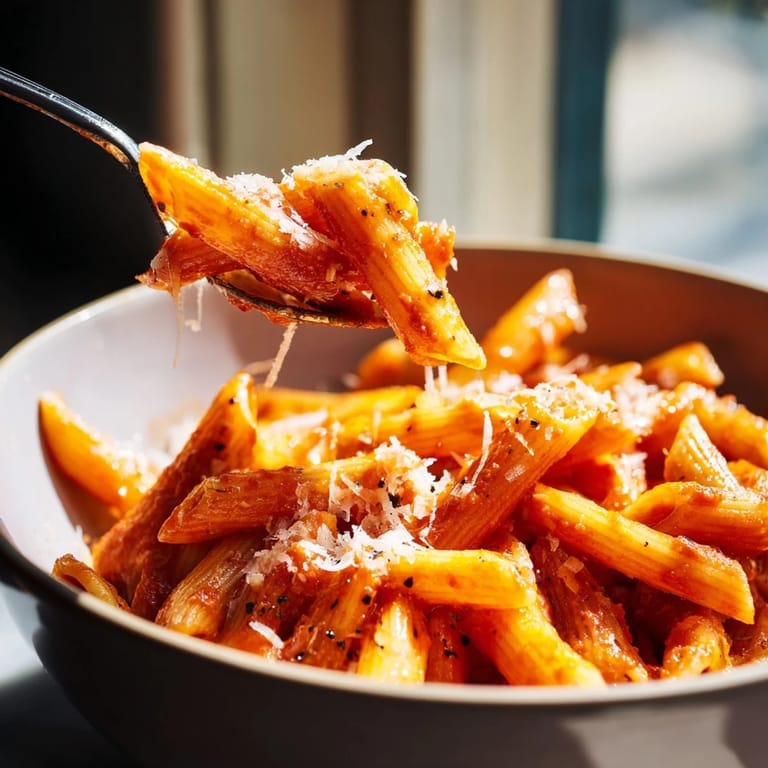 Save
Save Sometimes the simplest methods are the ones that stick with you longest because they work every single time.
Recipe Help
- → What pasta shapes work best in the microwave?
Short pasta shapes like penne, fusilli, and elbow macaroni perform exceptionally well because they cook evenly and fit comfortably in a microwave-safe bowl. The water circulates freely around these shapes, promoting uniform cooking.
- → Why do I need to stir between microwave intervals?
Stirring prevents pasta from sticking together and ensures even cooking by redistributing the water and heat. It also helps you monitor doneness so you can stop cooking at the perfect al dente texture.
- → Can I make this without draining?
Yes, most of the water absorbs during the cooking process. If you measure accurately and cook until the pasta is tender, you may not need to drain at all—just stir in your flavorings and serve.
- → Does this work for gluten-free pasta?
Absolutely. Use the same method with your favorite gluten-free pasta, but check for doneness a minute or two early since gluten-free varieties can cook faster than traditional wheat pasta.
- → Why did my water boil over in the microwave?
The bowl was likely too full. Pasta expands during cooking and needs plenty of room. Fill your microwave-safe bowl no more than halfway to prevent water from bubbling over during the heating process.
- → Can I double this recipe for two servings?
You can, but you may need a larger bowl and slightly increased cooking time. For best results, consider making two separate single servings rather than doubling, as the pasta cooks more evenly when not overcrowded.