 Save
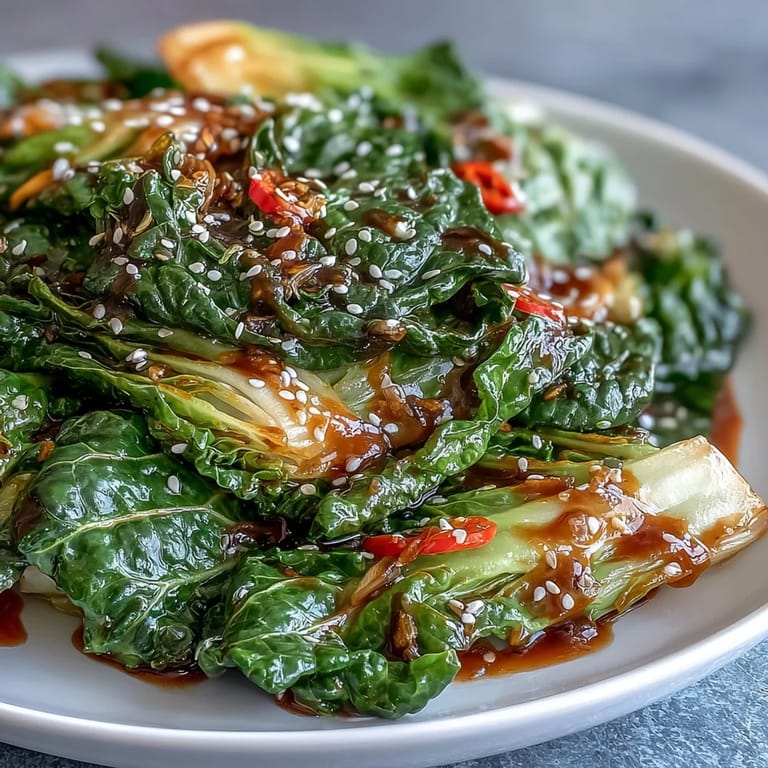
Save The unmistakable sizzle and aroma of cabbage hitting a hot wok always throws me back to late-night dinners after long weekdays. One evening, with only a wedge of cabbage and a handful of spring onions left in the fridge, I decided to let all the bold flavors in my pantry take over. The result: a stir fry that wasn't just a rescue meal, but one that delivered fiery excitement with every bite. There was something instantly energizing about the combination of chili, ginger, and that whiff of toasted sesame. Sometimes, the best dishes are the ones that demand you cook with your senses as much as with your hands.
I remember making this for a friend who swore they disliked cabbage—until they heard the riot of garlic and chilies popping in the oil. By the end of that dinner, the only thing left on the table was an empty serving bowl and a shared satisfaction at having changed someone's mind about humble veggies.
Ingredients
- Green cabbage: Thin slices crisp up fast and take on flavor, but don't chop too far ahead or you'll lose its freshness.
- Carrot: Adds a pop of color and a slight sweetness; sometimes I skip it if I'm in the mood for pure spice.
- Spring onions: Dividing the whites and greens ensures every note from pungent to fresh comes through.
- Garlic: Chopped, not crushed—this keeps it from burning and mellows the bite nicely.
- Fresh ginger: I grate it right before it hits the wok, for maximum vibrancy and heat.
- Red chilies: Adjust the number to flirt with your preferred spice level, but don't skip them if you love a real kick.
- Soy sauce: Tamari works perfectly for gluten free, and a tiny splash more always seems to vanish into the veggies.
- Rice vinegar: Brightens everything; don't swap it for regular vinegar or you'll lose the subtle tang.
- Toasted sesame oil: Just a drizzle goes a long way—a finishing touch, never the main oil for cooking.
- Sugar or maple syrup: The tiniest bit rounds out the heat and sharpness, especially if your cabbage is on the bitter side.
- Ground white pepper: Savory and aromatic, it quietly elevates the dish above everyday stir fries.
- Vegetable oil: Sunflower or peanut oil has a high smoke point, letting you keep the wok blazing hot.
- Toasted sesame seeds: Scatter these on just before serving for a nutty crunch.
- Fresh coriander leaves: Totally optional, but a handful never fails to make the plate pop.
Tired of Takeout? 🥡
Get 10 meals you can make faster than delivery arrives. Seriously.
One email. No spam. Unsubscribe anytime.
Instructions
- Prep your vegetables:
- Have everything sliced and ready within reach, because once the pan is hot, it all moves fast and furious.
- Heat the wok:
- Pour in your oil and wait until you see those ripples—then it's showtime.
- Infuse the oil:
- Toss in garlic, ginger, and chilies and enjoy the spicy, nose-tingling sizzle for 30 seconds.
- Add color and crunch:
- Drop in the white spring onions and carrots if you're using them, giving everything a brisk throw to soften the edges.
- Cabbage time:
- Add cabbage, pushing and flipping constantly—the edges should barely wilt but still keep their bite.
- Mix the sauce:
- While the veggies cook, whisk soy sauce, vinegar, sesame oil, sugar and white pepper in a small bowl.
- Bring it together:
- Pour in your sauce and toss until everything shimmers and the smell intensifies.
- Finish and serve:
- Off the heat, stir in green spring onions, transfer to a plate, and finish with sesame seeds and coriander if you'd like.
 Save
Save 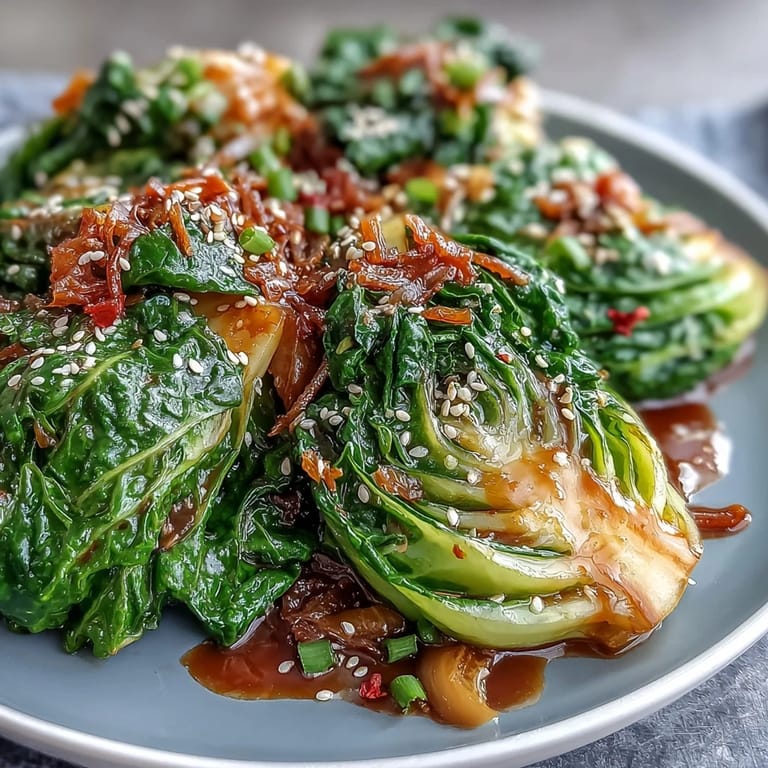 Save
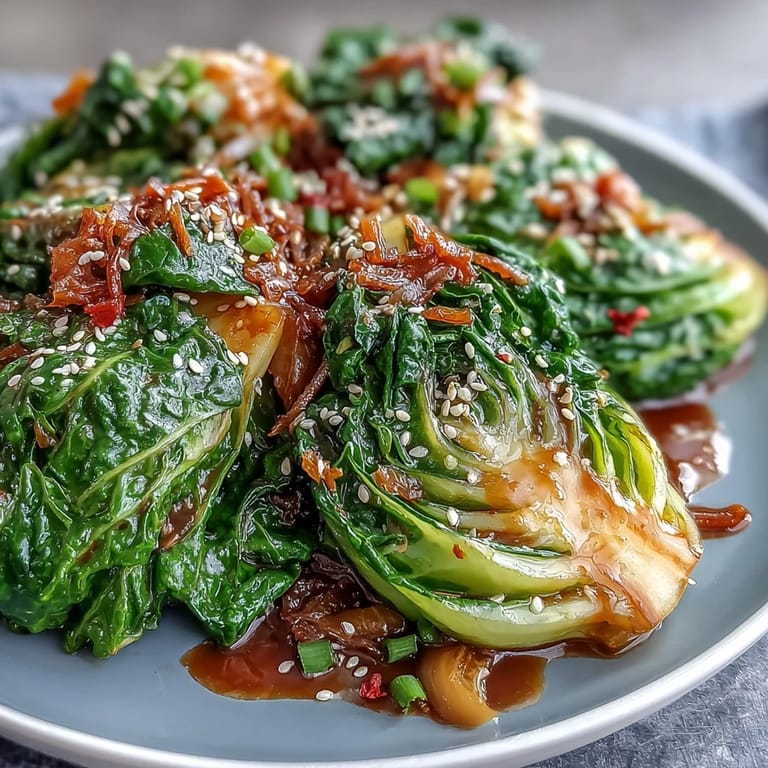
Save This recipe quietly found its way into my roster of celebratory meals—there's just something special about everyone sneaking crunchy bites straight from the serving plate while laughing about whose spice tolerance is bravest.
Customizing Your Stir Fry
It starts as a simple base, but the beauty is how you can riff on it: sometimes I throw in bell peppers or mushrooms, or even cubes of crispy tofu when I'm making this a main. I like to keep the veggie mix playful and let color guide me, especially when it's midwinter and I crave brightness in my bowl.
Balancing Heat and Sweetness
Dialing up or down the chili allows you to shape the heat to your mood or your guests; when making it for kids, I cut the amount and bump up the maple syrup for a friendlier flavor. Taste the sauce before tossing it into the wok so you can fine-tune it—the subtle tang and gentle sugar should balance without overwhelming.
Wok Wisdom for Everyday Cooks
Don't stress about having a traditional wok—any large, heavy skillet will do if you keep the temperature high and keep things moving. The one thing I never skip is prepping everything before I turn on the stove; the short, intense cook time leaves no chance for last-minute chopping or hunting for sauces.
- If your wok isn't blazing hot, the cabbage will steam and not fry—it makes all the difference.
- Never walk away from the pan, not even for a second—stir fry is all about momentum.
- Leftovers are even better the next day with a fried egg on top.
 Save
Save 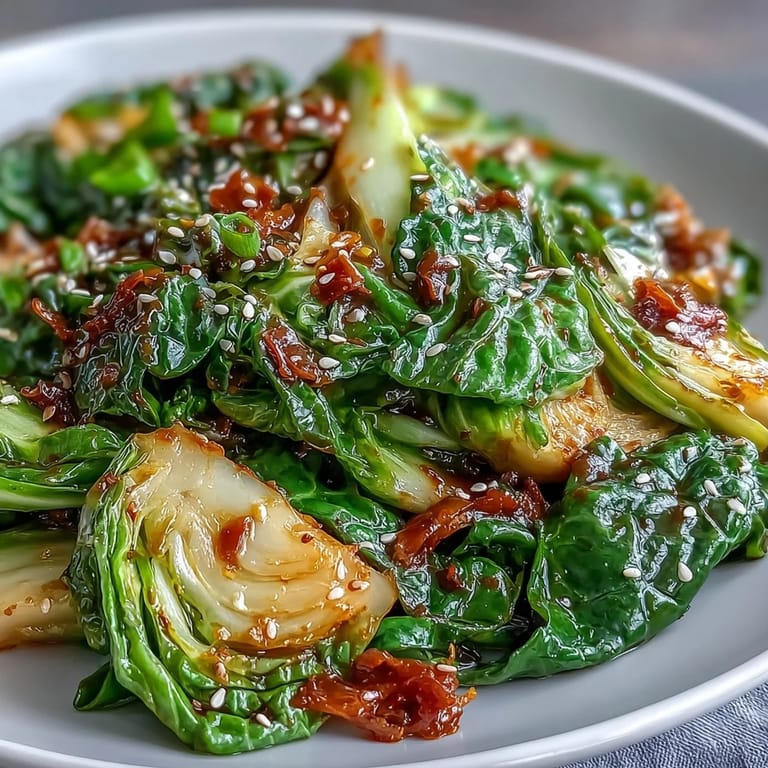 Save
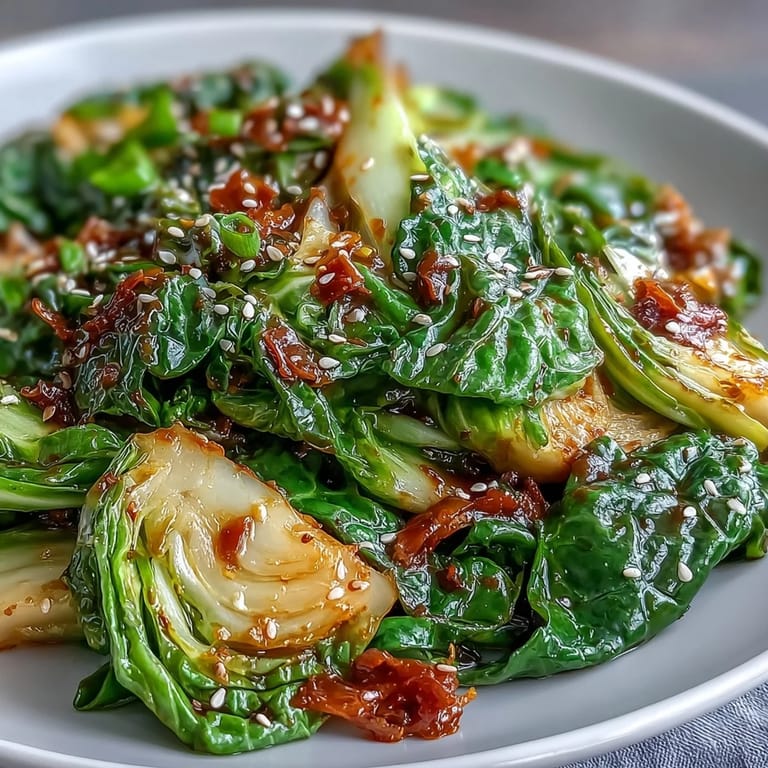
Save However you riff on it, Spicy Cabbage Stir Fry brings color, crunch, and a zippy punch to the table. The pan-to-plate thrill is as quick as it is satisfying every single time.
Recipe Help
- → Can I use a different type of cabbage?
Yes. Green cabbage works best for a crisp bite, but napa or savoy give a softer texture and milder flavor. Adjust slicing thickness so everything cooks evenly.
- → How do I keep the cabbage tender-crisp?
Work over high heat and keep the pan hot. Slice the cabbage thinly, avoid overcrowding the wok, and stir constantly so it wilts quickly while retaining some crunch.
- → What can I add for more protein?
Cube and pan-fry firm tofu or tempeh and toss it in at the end. Edamame or thinly sliced seitan also work if not avoiding gluten.
- → How can I control the spice level?
Use fewer chilies or remove the seeds to lower heat. Swap fresh chilies for a milder chili oil or add a pinch of chili flakes at the table to dial heat up.
- → What is a gluten-free soy substitute?
Use tamari or coconut aminos in place of regular soy sauce for a gluten-free option; both provide savory umami without wheat.
- → How long does it keep and how to reheat?
Store in an airtight container in the refrigerator for up to 3 days. Reheat briefly in a hot skillet or wok to refresh the texture; avoid microwaving for long to prevent sogginess.