 Save
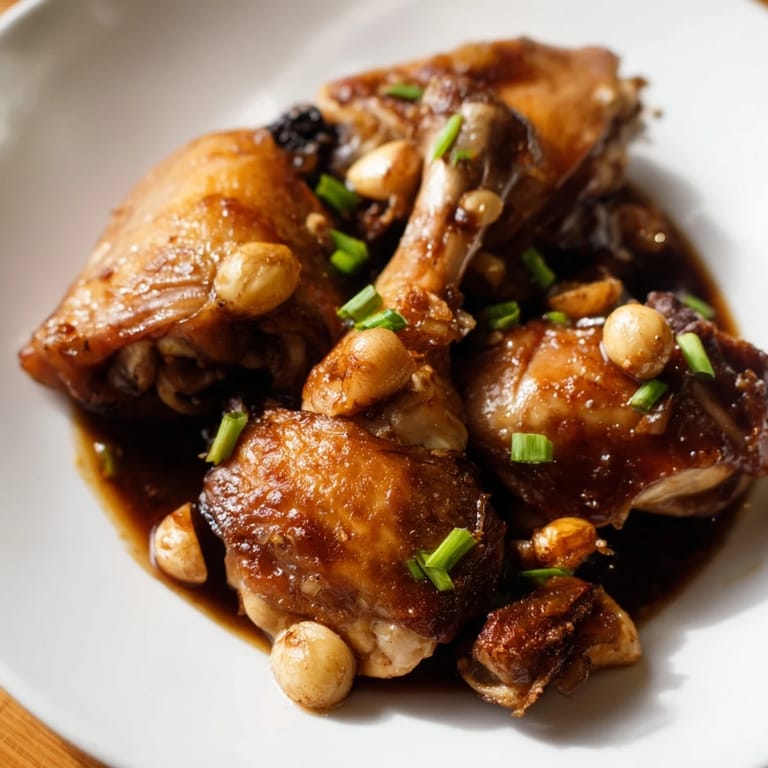
Save My first real attempt at chicken adobo was a gamble. I'd watched my neighbor marinate chicken in what looked like plain brown sauce, skeptical that vinegar and soy could create something so craveable. Twenty minutes into simmering, the kitchen filled with this deep, almost caramel-tinged aroma that made me understand immediately why this dish has fed Filipino families for generations. The chicken fell apart at the gentlest nudge of a spoon, and I realized that the simplest ingredients often hold the most profound flavors.
I made this for a dinner party on a Wednesday, nervous because adobo felt too simple to impress. But watching my friends go back for thirds, asking for the recipe with that particular tone reserved for dishes that taste like home, I understood that sometimes the best meals aren't complicated—they're just honest. The kind of food that makes people linger at the table longer than planned.
Ingredients
- Bone-in, skin-on chicken thighs and drumsticks (1.5 lbs): Dark meat stays juicy through the long braise, and the bones add body to the sauce in ways boneless chicken never could.
- Soy sauce (1/3 cup): Use full-sodium soy sauce here—it's the backbone of the whole dish, and low-sodium versions disappear into the background.
- Cane vinegar or white vinegar (1/3 cup): The acidity balances the richness of the chicken fat and transforms the sauce from flat to electric.
- Garlic cloves, smashed (6): Smashing releases more flavor than mincing and the cloves soften into almost creamy texture by the end.
- Bay leaves (2): They dissolve into the background but leave behind a subtle earthiness that grounds the whole dish.
- Whole black peppercorns (1 teaspoon): Whole peppercorns release flavor gradually and won't overpower the way ground pepper sometimes does.
- Brown sugar (1 tablespoon, optional): Just a touch—it rounds out the sharp edges without making the dish sweet.
- Water (1/2 cup): This stretches the marinade into a proper braising liquid without diluting the flavor.
- Cooking oil (2 tablespoons): Use neutral oil here; you want the chicken fat, not the oil, to be the star.
- Steamed white rice and scallions: Rice absorbs the sauce (which is half the reason to make this), and scallions add a fresh brightness right before serving.
Tired of Takeout? 🥡
Get 10 meals you can make faster than delivery arrives. Seriously.
One email. No spam. Unsubscribe anytime.
Instructions
- Marinate the chicken:
- Combine chicken, soy sauce, vinegar, garlic, bay leaves, peppercorns, and brown sugar in a large bowl and coat everything thoroughly. If you have time, let it sit overnight in the fridge—the flavors deepen—but even thirty minutes makes a difference. Pat the chicken dry before cooking, which helps it brown instead of steam.
- Brown the chicken:
- Heat oil over medium-high heat and lay the chicken skin-side down first, listening for that satisfying sizzle. This takes 3–4 minutes per side and develops a golden crust that anchors the whole dish. Don't crowd the pan; work in batches if needed.
- Build the braise:
- Pour the reserved marinade and water into the pan, bringing it to a boil before lowering the heat to gentle simmer. Cover and let it cook for 25 minutes, turning the chicken halfway through so it cooks evenly.
- Reduce and finish:
- Uncover the pan and let it simmer another 10–15 minutes until the sauce thickens and darkens slightly. You're looking for that glossy, reduced consistency that clings to the chicken rather than pooling around it. Skim off excess fat if you want (I usually leave some for flavor), taste for seasoning, and remove the bay leaves.
- Rest and serve:
- Let the dish rest for a few minutes off heat—this allows the flavors to settle. Serve over steamed rice so every grain soaks up that precious sauce, and finish with scallions for a bright note.
 Save
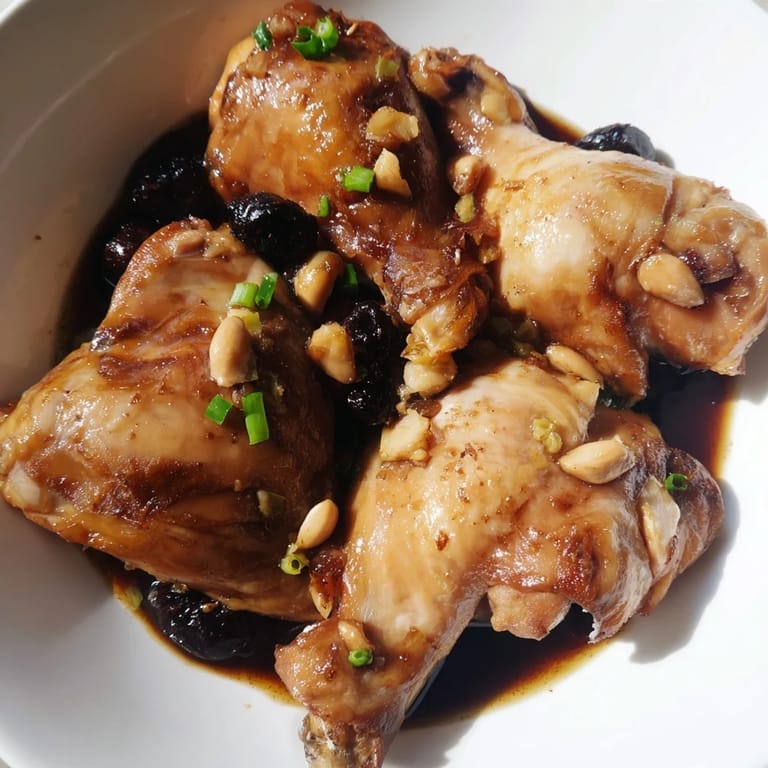
Save There's a moment near the end of cooking when you uncover the pot and the steam clears and suddenly the kitchen smells like something you've been craving without knowing it. That's when adobo stops being a list of ingredients and becomes comfort in a bowl—the kind of dish that sits in your memory longer than the meal itself.
Why Adobo Tastes Like Home
Adobo works because it respects chicken instead of fighting it. The long braise in acid and salt doesn't dry the meat out—it opens it up, allowing the soy and vinegar to sink all the way through. The chicken fat enriches the sauce, and the sauce then clings back to the chicken in this gentle cycle that builds flavor rather than destroying it. This is why adobo tastes different every time you make it but always tastes right.
The Art of the Reduction
The final uncovered simmer is where beginners often falter, either stopping too early when the sauce is still thin or pushing too far until it becomes salty and concentrated. You're listening and watching for the moment when the bubbles slow down and the liquid becomes glossy, when it coats a spoon instead of running off. This takes practice, but once you feel it, you'll recognize it every time.
Variations That Work
Adobo is flexible in ways that feel generous—you can add a splash of coconut milk at the end for richness, toss in a dried chili or two for heat, or substitute pork for an earthier version. Some cooks add potatoes that braise alongside the chicken, absorbing all that flavor. The core—the soy, vinegar, garlic, and long braise—stays constant, but the rest is yours to adjust.
- A tablespoon of coconut milk stirred in at the end creates a silkier sauce without making the dish heavy.
- Dried chilies added during the marinade give you heat that builds gradually rather than striking all at once.
- Leftover adobo is often better than fresh, so don't hesitate to make it a day ahead and reheat gently.
 Save
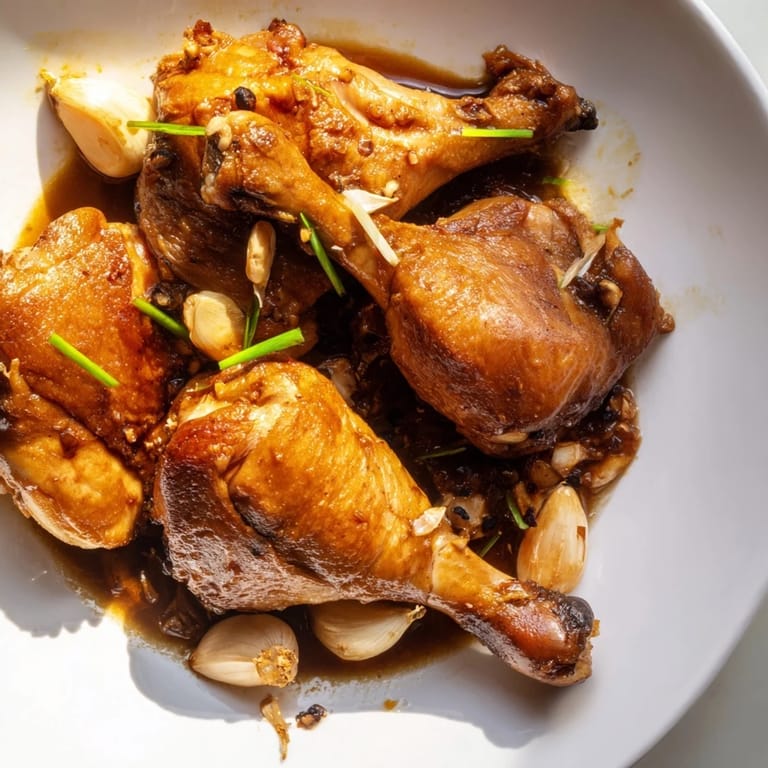
Save Adobo reminds me that the best meals don't need to be complicated, just made with attention and respect for what you're cooking. Once you make it, it becomes one of those dishes you return to again and again.
Recipe Help
- → What cut of chicken works best for this dish?
Bone-in, skin-on thighs and drumsticks are ideal for tender, juicy results and better flavor absorption.
- → Can I make this dish ahead of time?
Yes, marinate the chicken for several hours or overnight to deepen the flavors before cooking.
- → What can I serve alongside it?
Steamed white rice is traditional and balances the tangy sauce perfectly, but it also pairs well with garlic fried rice or sautéed vegetables.
- → Is it possible to adjust the sauce for sweetness?
Adding a tablespoon of brown sugar introduces a subtle sweetness that balances the acidity without overpowering the dish.
- → Are there common variations to the marinade?
Some add coconut milk for creaminess or dried chilies for a spicy kick, while pork can be used instead of chicken for a different version.