 Save
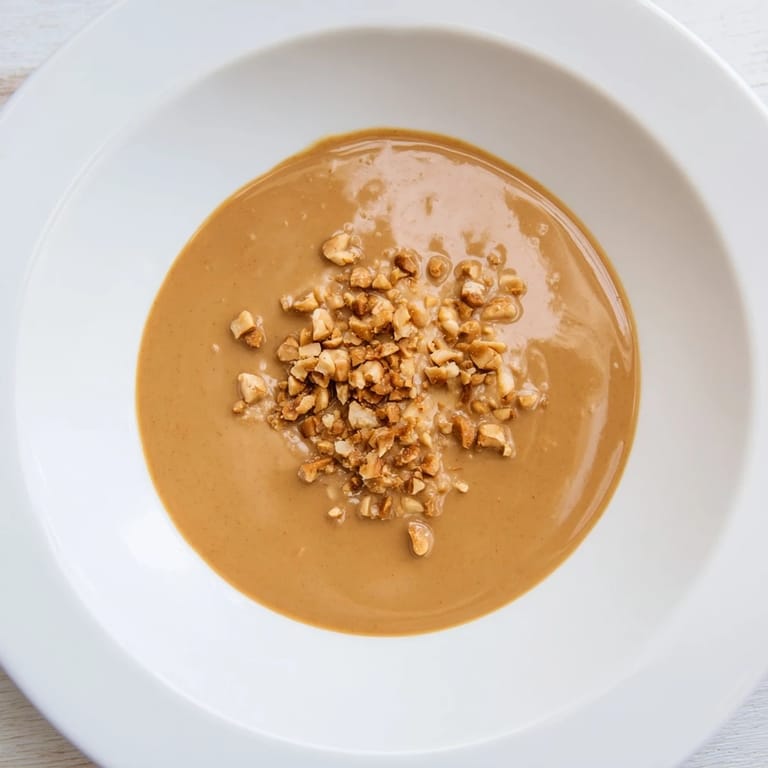
Save I discovered Indonesian satay sauce by accident at a night market in Jakarta, watching a vendor move between grilling stations with a small brush and a bowl of glossy, fragrant sauce. The way it clung to the meat, the steam rising with hints of coconut and lime, made me stop walking. When I finally recreated it at home, I realized how forgiving and elegant this sauce truly is—just a few pantry staples coming together into something that tastes like it took hours.
My friend Sarah came over skeptical that peanut butter and coconut milk could work together, then dipped her first satay stick and went quiet. That silence before she asked for the recipe—that moment proved it to me. Now she makes it every weekend for her kids, and she sends me photos of their empty bowls.
Ingredients
- Creamy peanut butter: Use unsweetened and unsalted so you control the salt and sweetness; it's the backbone of the sauce.
- Coconut milk: Full-fat is non-negotiable here—the cream is what makes this sauce silky and rich.
- Soy sauce: Brings umami depth; tamari works beautifully if you need gluten-free.
- Fresh lime juice: Squeeze it yourself if possible; it brightens everything and cuts through the richness.
- Brown sugar: Balances the heat and salt with subtle sweetness; palm sugar is the traditional choice.
- Garlic, ground coriander, cumin, and chili flakes: These spices are what make people ask if you learned to cook in Southeast Asia.
- Fish sauce: Optional but transforms the sauce into something restaurant-quality if you want depth.
Tired of Takeout? 🥡
Get 10 meals you can make faster than delivery arrives. Seriously.
One email. No spam. Unsubscribe anytime.
Instructions
- Warm and whisk the base:
- In a small saucepan over medium heat, combine the peanut butter and coconut milk, whisking until the mixture is smooth and creamy with no lumps. This takes patience; let the heat soften the peanut butter gradually.
- Build the flavor layers:
- Add soy sauce, lime juice, brown sugar, minced garlic, coriander, cumin, chili flakes, and salt. Stir well, tasting as you blend so you can adjust before the sauce gets too thick.
- Bring it to life with heat:
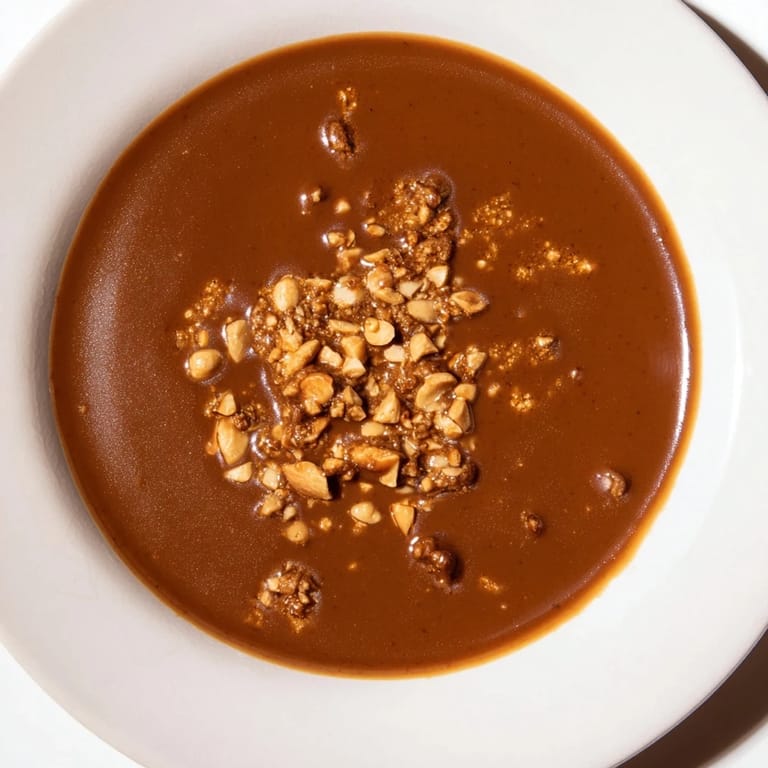
- Let the mixture reach a gentle simmer, stirring frequently to prevent sticking on the bottom. After 3–5 minutes, the sauce will darken slightly and become glossy, and you'll smell the spices bloom.
- Taste and adjust your way:
- This is the moment to make it yours—more lime if you want brightness, more sugar if the spices feel sharp, more chili if you want heat. There's no wrong answer here.
- Reach the right texture:
- If the sauce feels too thick, whisk in water a tablespoon at a time until it coats the back of a spoon but still flows easily. For a chunky version, stir in crushed roasted peanuts now.
- Finish and rest:
- Remove from heat and stir in fish sauce if you're using it. Let the sauce cool slightly before serving so the flavors settle.
 Save
Save The first time I served this with homemade satay skewers, my partner dipped a piece, then made a sound I'd never heard before—pure contentment. That's when I understood this sauce wasn't just seasoning; it was the thing that made the meal feel complete.
Customizing Your Sauce
This sauce is so flexible that you can remake it a dozen times and never make it the same way twice. If you like it spicier, add more chili flakes or a pinch of cayenne; if you prefer it sweeter, add another teaspoon of sugar. Some days I make it thinner to drizzle over salads, other days thicker to use as a dip with spring rolls or roasted vegetables.
Storage and Make-Ahead
This sauce keeps beautifully in the refrigerator for up to five days in an airtight container, and honestly, it tastes better the next day when the spices have rested and deepened. To serve after storing, gently rewarm it in a small saucepan over low heat, stirring in a splash of water if it's thickened too much.
Pairing Ideas and Serving
I've served this sauce with grilled chicken satay, beef skewers, tofu that's been charred in a hot pan, and even roasted cauliflower, and it elevated every single thing. It also makes a stunning salad dressing when thinned with a bit more lime juice, and I've used it as a base for noodle bowls that my guests have asked me to repeat.
- Drizzle it over warm satay skewers right off the grill while the sauce is still glossy.
- Use it as a dipping sauce for spring rolls, roasted vegetables, or crispy tofu.
- Thin it with extra lime juice and water to dress noodle salads or grain bowls.
 Save
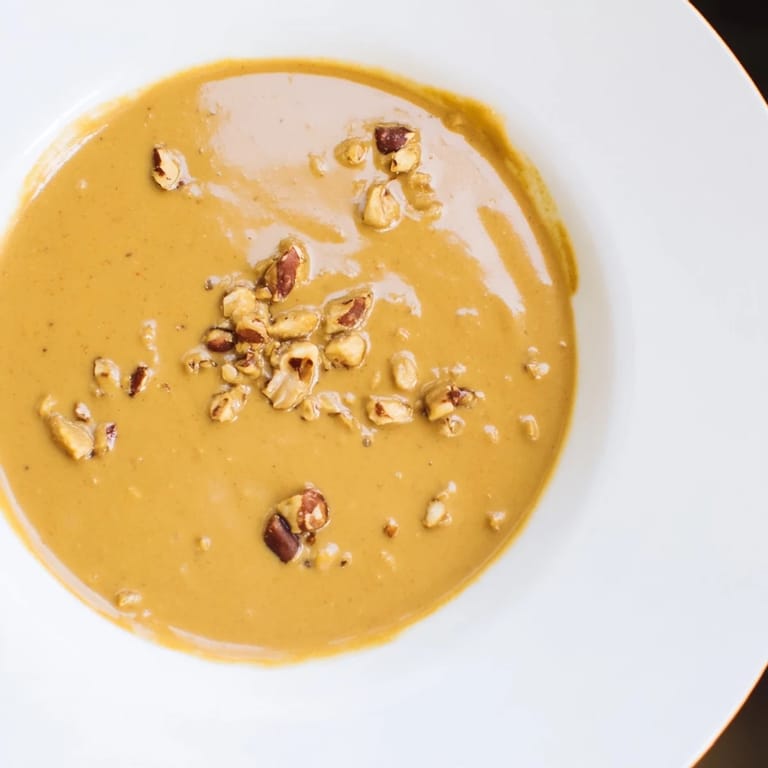
Save This sauce reminds me that the best meals often come from simple ingredients treated with care. Once you've made it, you'll find yourself making it again and again, each time slightly different, always delicious.
Recipe Help
- → What are the main ingredients in Indonesian satay sauce?
Key ingredients include creamy peanut butter, coconut milk, fresh lime juice, soy sauce, brown sugar, garlic, ground coriander, cumin, and chili flakes.
- → Can this sauce be made gluten-free?
Yes, by using gluten-free soy sauce alternatives like tamari or coconut aminos, the sauce is suitable for gluten-free diets.
- → How can I adjust the sauce’s spiciness?
Adjust chili flakes according to your preferred heat level, adding more for extra spice or reducing for milder flavor.
- → Is it suitable for vegetarians?
Yes, the sauce is vegetarian if fish sauce is omitted; it is naturally rich and creamy with plant-based ingredients.
- → What dishes pair well with this sauce?
It complements grilled chicken, beef skewers, tofu, vegetables, or can be used as a flavorful drizzle or dip.
- → How long does the sauce keep after preparation?
Refrigerated properly, it stays fresh for up to five days and can be gently reheated before serving.