 Save
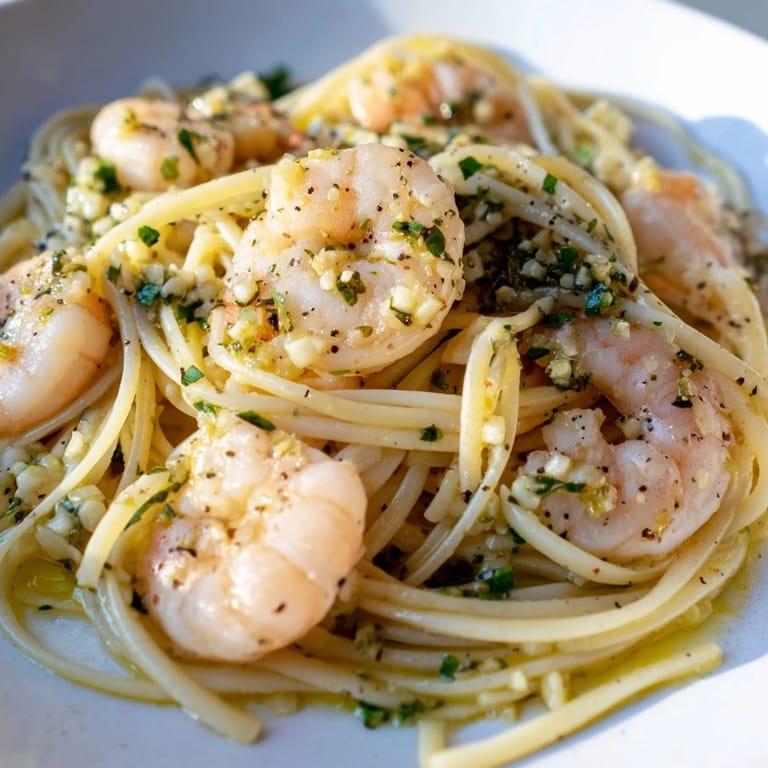
Save There's something about the smell of shrimp hitting hot oil that makes you feel like a proper cook, even if you're just starting out. I discovered this pasta on a Tuesday night when I had about twenty minutes and some lemon that needed using before it dried out on the counter. The way the pasta water turns silky with that citrus and butter, how the shrimp turns from gray to this perfect coral pink—it all comes together so fast you'll wonder why you don't make it every week.
I made this for my neighbor who'd just moved in, and watching her face when she tasted it—how she got quiet for a second—made me realize that simple food cooked with attention is somehow the most generous thing you can offer someone. She asked for the recipe that same night.
Ingredients
- Large shrimp (400 g): Buy them peeled and deveined if you can; it saves you ten minutes of fiddly work, and honestly, they cook up just the same.
- Linguine or spaghetti (340 g): Al dente is non-negotiable here because you're tossing everything together and it keeps cooking just a bit more in the pan.
- Garlic (3 cloves, minced): Don't skip the mincing step or you'll end up with chunky pieces that taste too harsh; thirty seconds in the hot oil is all it needs to become something golden and soft.
- Lemon zest and juice (1 large lemon): This is where all the brightness comes from, so choose a lemon that feels heavy for its size.
- Fresh parsley (3 tbsp, finely chopped): Parsley isn't just decoration here—it adds a peppery note that makes the whole dish feel alive.
- Fresh basil (2 tbsp, optional): I skip this sometimes when I don't have it, but when I do use it, the extra fragrance is worth the trip to get it.
- Extra-virgin olive oil (3 tbsp): Use something you'd actually taste on bread; cheap oil shows here.
- Unsalted butter (1 tbsp): This emulsifies with the pasta water to make a silky sauce that coats every strand.
- Salt and black pepper: Taste as you go—the pasta water adds salt, so you need less than you'd think.
Tired of Takeout? 🥡
Get 10 meals you can make faster than delivery arrives. Seriously.
One email. No spam. Unsubscribe anytime.
Instructions
- Get the pasta going:
- Boil salted water in a large pot and cook the pasta until it's just tender but still has a bite to it. Before you drain it, scoop out about half a cup of that starchy water and set it aside—this is your secret weapon for the sauce.
- Prepare the shrimp:
- Pat them dry with paper towels and sprinkle lightly with salt and pepper. Dry shrimp will sear instead of steam, which makes all the difference.
- Sear the shrimp:
- Heat two tablespoons of olive oil in a large skillet over medium-high heat until it shimmers. Lay the shrimp in a single layer and don't move them for a minute or two, then flip and cook the other side until they're pink and just cooked through. Pull them onto a clean plate.
- Build the flavor base:
- Lower the heat to medium, add the remaining oil and butter, and let the butter melt. Stir in the minced garlic and let it sit for about thirty seconds until it stops smelling raw and starts smelling like something you actually want to eat.
- Combine everything:
- Toss the hot pasta into the skillet with the garlic butter, pour in that reserved pasta water, and add the lemon zest and juice. Toss it all together until the pasta is coated in something silky and glossy. The starchy water and the fat are becoming one cohesive sauce.
- Finish and serve:
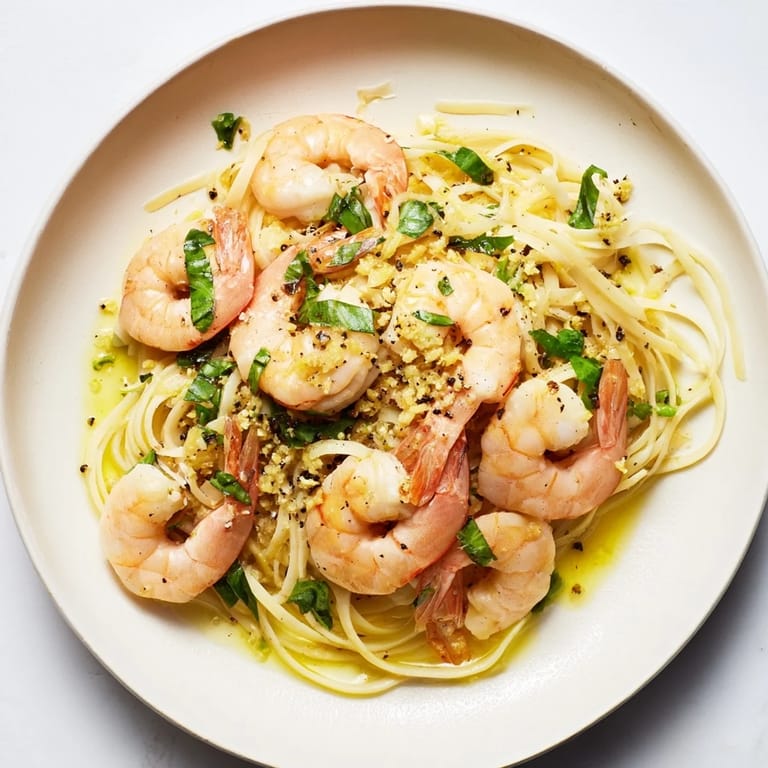
- Return the shrimp to the pan, scatter in the parsley and basil, and toss gently one more time until everything is heated through and the flavors are mingling. Taste and adjust the salt and pepper. Serve right away, with lemon wedges and Parmesan at the table if you like.
 Save
Save I realized while eating this with my sister that the best meals are the ones where you can actually taste the individual ingredients talking to each other. The lemon isn't trying to hide; the shrimp isn't swimming in cream; the pasta is just itself, only better.
Why Lemon and Shrimp Are a Perfect Pair
Lemon cuts through the richness of seafood without fighting it, and something about the citrus makes the shrimp taste more like itself. I learned this by accident when I had some leftover lemon juice and shrimp on the same night, and now I order this kind of thing at restaurants just to see how other people handle the balance.
The Secret to Not Overcooking Shrimp
The moment shrimp turns opaque, it's done. If you wait until it feels firm like chicken, you've gone too far. I used to overcook them every time until I finally watched the color change from gray to pink and realized that's your timer, not the clock.
Making It Your Own
This recipe is forgiving enough that you can treat it like a template instead of a rulebook. I've made it with different herbs, added red pepper flakes when I'm in the mood for heat, and once threw in some white wine at the garlic stage just because I had an open bottle.
- A small pinch of red pepper flakes stirred in with the garlic gives warmth without making it spicy.
- If you want to add vegetables, thin slices of zucchini or asparagus tossed in at the pasta stage work beautifully.
- Swap the basil for tarragon or dill if that's what's in your kitchen, and it becomes something entirely different but equally good.
 Save
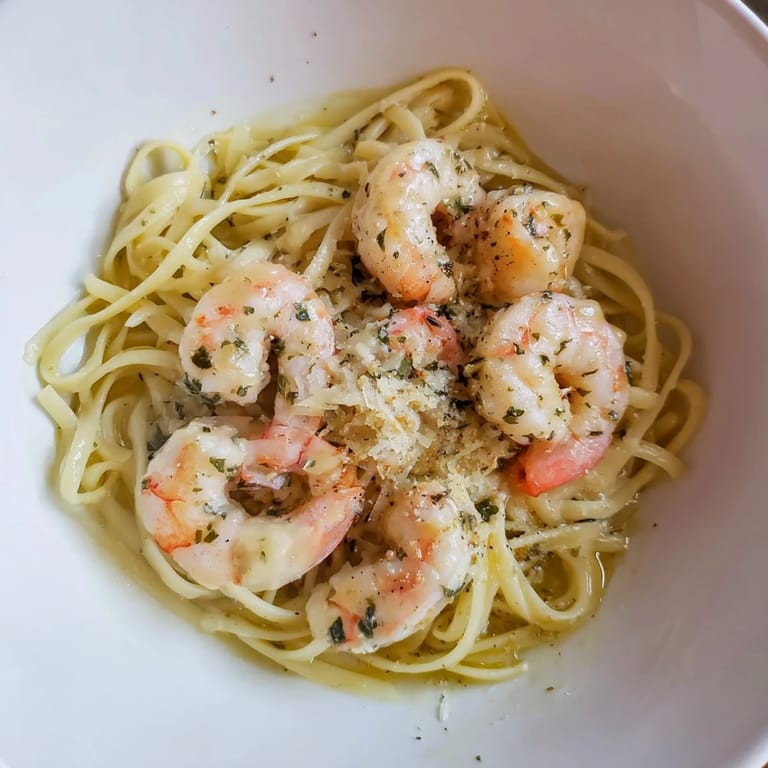
Save This is the kind of dinner that proves good cooking doesn't require hours or a long ingredient list, just attention and knowing when something is done. Make it once and it becomes one of those meals you reach for when you want to feel capable in the kitchen.
Recipe Help
- → How do you prevent shrimp from overcooking?
Cook shrimp in a hot skillet for 1–2 minutes per side until just pink and opaque, then remove immediately to avoid toughness.
- → Can I substitute the herbs used in this dish?
Yes, parsley is essential for brightness, but fresh basil can be added or replaced with oregano or thyme based on preference.
- → What type of pasta works best here?
Linguine or spaghetti hold the sauce well; fettuccine is also a good alternative for texture variety.
- → How is the sauce made without cream?
The sauce is made by combining reserved pasta water, olive oil, butter, lemon juice, and zest, creating a light yet flavorful coating.
- → What wine pairs well with this dish?
Dry white wines like Sauvignon Blanc or Pinot Grigio complement the citrus and seafood flavors beautifully.
- → Can I make this dish dairy-free?
Omit butter and Parmesan cheese to keep it dairy-free while preserving the overall flavor and texture.