 Save
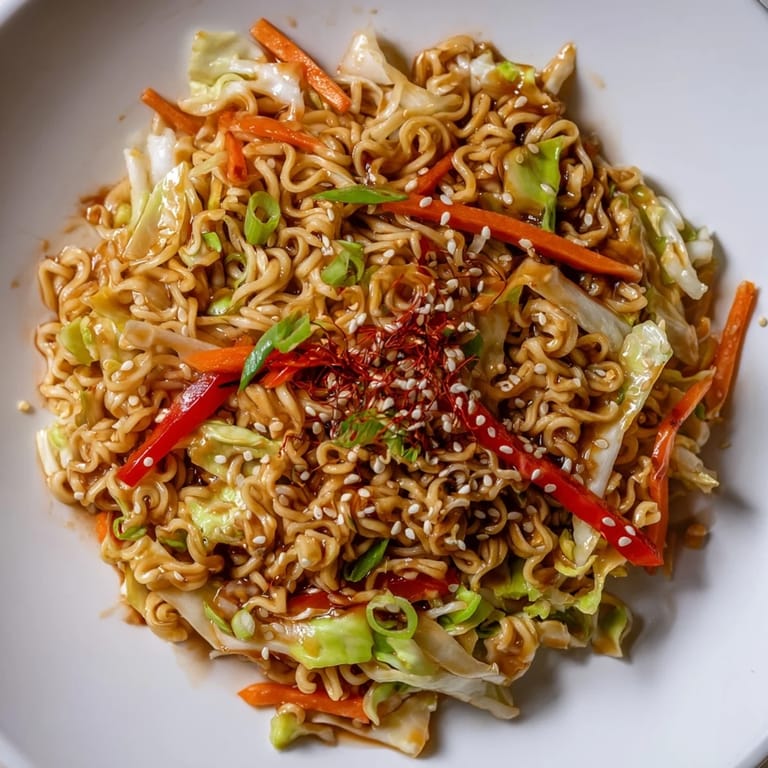
Save The first time I made this, it was midnight and I'd scrolled past the same ramen video about fifteen times. My roommate was hungry, the kitchen was quiet, and I had exactly two packs of instant noodles sitting in the cabinet. What started as a lazy midnight snack became this addictive, fiery dish that I now make at least twice a week. The magic isn't in fancy ingredients—it's in understanding that those humble noodles can sing when you give them the right sauce and don't overthink it.
I made this for my friend who claimed they didn't like spicy food, and they ate three bites before asking for seconds. Watching someone's face shift from skeptical to genuinely impressed while they're holding chopsticks full of noodles—that's become my favorite part of cooking this. Now whenever they visit, the first thing they ask is if I'm making the ramen stir fry.
Ingredients
- Instant ramen noodles (2 packs): Throw away those flavor packets; they're anchors. The noodles themselves have the perfect texture and springiness when you undercook them slightly.
- Shredded cabbage (1 cup): It softens just enough to lose its raw bite but stays crisp enough to matter. I shred it by hand because it feels faster than it actually is.
- Carrot (1 medium, julienned): Thin slices mean it cooks through in minutes and adds natural sweetness that balances the heat.
- Green onions (2, sliced): These go in at the end to stay bright and sharp against everything else.
- Red bell pepper (1/2, thinly sliced): Color and sweetness without overpowering the dish.
- Soy sauce (2 tablespoons): The foundation of flavor—use regular if you have it, tamari if you need gluten-free.
- Sriracha or chili garlic sauce (1 tablespoon): This is where the heat lives, but it's not aggressive; it whispers rather than shouts.
- Oyster sauce (1 tablespoon): Adds umami depth that makes everything taste richer. Swap for vegan oyster sauce or hoisin if needed.
- Brown sugar (1 tablespoon): Just enough to round out the sharp edges and make the sauce glossy.
- Sesame oil (2 teaspoons): Non-negotiable. It's the difference between good and memorable.
- Rice vinegar (1 teaspoon): A tiny acid punch that keeps everything from tasting heavy.
- Black pepper (1/4 teaspoon): Understated complexity.
- Garlic (2 cloves, minced): Mince it fine so it melts into the oil and releases fully.
- Vegetable oil (1 tablespoon): Just enough to coat the pan without making it greasy.
- Toasted sesame seeds (1 teaspoon): Toast them yourself if you have time; the difference is subtle but real.
- Red pepper flakes (1/2 teaspoon, optional): Extra heat for people who like their food to fight back.
Tired of Takeout? 🥡
Get 10 meals you can make faster than delivery arrives. Seriously.
One email. No spam. Unsubscribe anytime.
Instructions
- Cook the noodles al dente:
- Bring water to a rolling boil, drop in the ramen, and set a timer for one minute less than the package says. You want them to have a slight firmness that survives the pan, not mushy submission.
- Build the sauce in advance:
- Whisk all sauce ingredients together in a small bowl while the noodles cook. This way you're not scrambling when everything's hot and urgent.
- Get the pan smoking:
- Heat vegetable oil over medium-high heat until the surface shimmers. Add minced garlic and listen for it to start popping—that's your signal it's releasing its perfume.
- Stir-fry the vegetables:
- Add cabbage, carrot, and bell pepper all at once. Keep moving them around for 2-3 minutes until they're soft enough to taste good but still have a little snap. The carrot should still have resistance when you bite it.
- Reunite everything:
- Add the drained noodles and pour the sauce over top. Toss constantly for about a minute until every strand is coated and the pan is hot enough that steam rises when you move things around.
- Finish with green onions and heat:
- Take the pan off heat, scatter green onions and sesame seeds across the top, and add red pepper flakes if you're brave. Toss once more and serve straight from the pan if you want it to stay hot.
 Save
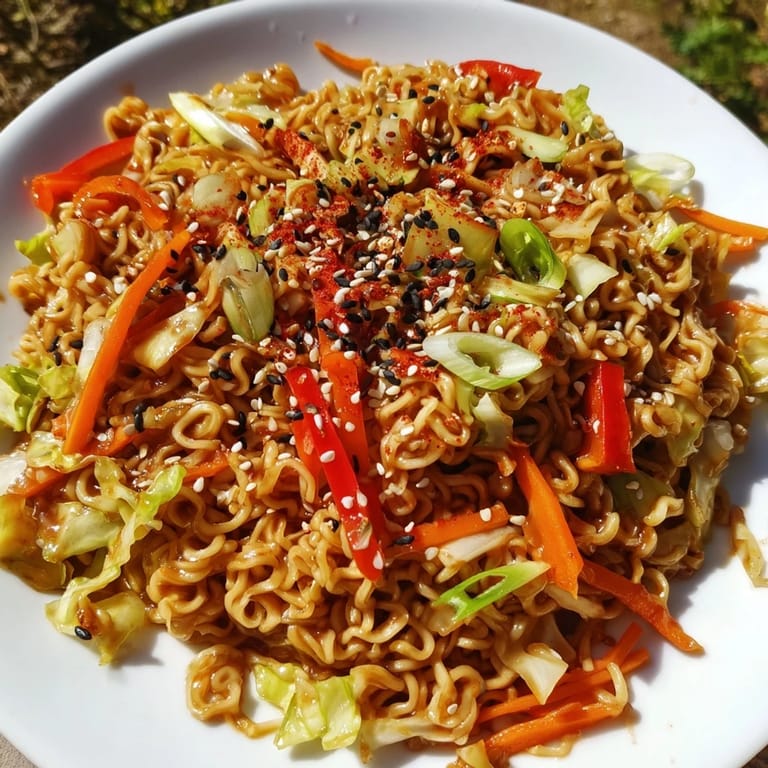
Save Last month, I made this for my partner when they'd had a terrible day at work, and they sat down and didn't say anything for five minutes—just ate. After a while they looked up and said it was exactly what they needed. That's when I realized this dish had become more than a quick meal; it was proof that sometimes the most comforting food is the simplest, made with intention.
Why This Tastes Like a Restaurant
The secret is the combination of soy, oyster sauce, and sesame oil—three ingredients that independently taste fine but together create something your brain recognizes as both familiar and special. Most stir fries miss one of these, which is why they taste flat. The brown sugar and rice vinegar play backup vocals that you won't consciously notice but absolutely would miss if they were gone.
Timing and Temperature Matter
Everything in this dish is about keeping the heat high enough to build flavor but not so high that things burn. The garlic sautés for 30 seconds because longer than that and it turns bitter and disappoints everyone. The vegetables get 2-3 minutes, which sounds short until you're actually doing it and realize that's exactly when they tip from raw to perfect. Once the noodles and sauce join the pan, you're looking at maybe 90 seconds total. This isn't a slow braise; it's a quick, confident moment.
Variations and How to Adapt
The beauty of this is that it accepts additions without complaint. A fried egg on top transforms it into something heartier. Cooked shrimp or leftover rotisserie chicken makes it feel like dinner instead of a quick fix. Even a handful of spinach wilts in beautifully at the last second. The base is strong enough to support whatever you have.
- For vegan, swap oyster sauce for hoisin or vegan oyster sauce, and it tastes just as good.
- If you're scared of heat, reduce the sriracha and skip the red pepper flakes entirely—the dish stands on its own.
- Add a splash of water if the noodles seem too dry; one tablespoon makes a difference.
 Save
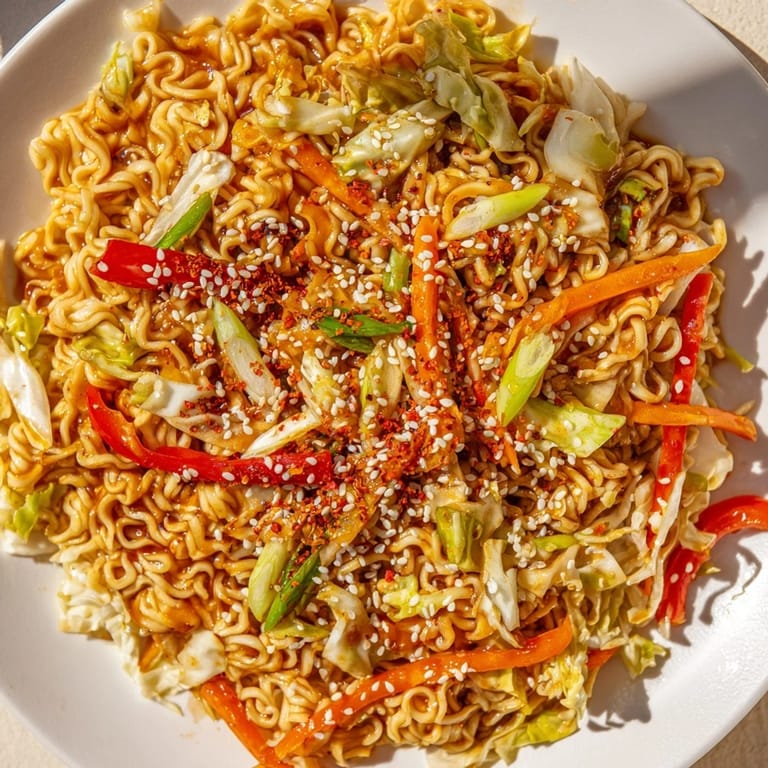
Save This has become the dish I make when I want something that feels intentional but doesn't require me to be intentional. It's proof that the fastest meals can still taste like someone cared.
Recipe Help
- → How do I achieve a firmer texture for the noodles?
Boil the noodles slightly less than package instructions—about one minute shorter—then drain to maintain a springy texture in the stir fry.
- → Can I substitute the oyster sauce for a vegan alternative?
Yes, vegan oyster or hoisin sauce work well and maintain a rich, umami flavor for a plant-based version.
- → What vegetables work best in this stir fry?
Shredded cabbage, julienned carrots, sliced bell peppers, and green onions add color, crunch, and freshness while cooking quickly.
- → How spicy is the dish and can I adjust the heat?
The sriracha and optional red pepper flakes add a medium heat level, but you can reduce sriracha or omit flakes for milder flavor.
- → What is the best way to serve this noodle stir fry?
Serve immediately after tossing with sauce, garnished with extra sesame seeds and green onions for added texture and aroma.
- → Can protein be added to enhance this dish?
Adding tofu, cooked chicken, shrimp, or a fried egg boosts protein and adds satisfying variety.