 Save
Save Last spring, my neighbor showed up at my door with a bundle of radishes still wearing their greens, and I suddenly realized I'd been treating them like afterthoughts my whole life. That afternoon, I built my first real vegetable board, and watching people actually reach for the radishes first—the crisp snap of them, the peppery bite—changed how I think about entertaining. Now this is what I make when I want everyone to feel like they're eating something special without me spending hours in the kitchen.
I made this for a potluck once where everyone else brought casseroles and baked things, and I half apologized for bringing raw vegetables until someone grabbed three radishes in a row and asked where I got them. Turned out people were genuinely hungry for something fresh and bright, not another warm dish. That board emptied before half the other stuff was even touched.
Ingredients
- Breakfast radishes: These thin-skinned ones are peppery and snappy, nothing like the tough old radishes that sit in grocery stores for weeks—seek them out at farmers markets if you can, or use regular radishes halved but know they'll be slightly earthier.
- Sugar snap peas: Leave them whole or halved depending on how generous you're feeling, and yes, people will actually eat these raw and enjoy them more than you'd expect.
- Fresh peas: A quick blanch in salted boiling water for just two minutes keeps them bright green and tender, then shock them in ice water immediately so they don't turn that dull army color.
- Baby carrots: The actual small ones, not those sad baby-cut ones from bags—they taste sweeter and look prettier on the board.
- Cherry tomatoes: Halved so they don't roll around and also so people can actually eat them without making a mess.
- Cucumber slices: Cut them on a slight angle for a little visual interest and because they somehow look more intentional that way.
- Greek yogurt: Use full-fat if you can find it because the dip will taste richer and creamier without any of the sadness that comes with low-fat versions.
- Mayonnaise: Just a couple tablespoons to add richness and help the dip stay creamy, not overpowering.
- Fresh lemon juice: Never use the bottled stuff for this—fresh lemon makes all the difference between a dip that tastes bright versus one that tastes vaguely off.
- Fresh herbs: Chives, parsley, and dill are the holy trinity here, and chopping them by hand instead of using a food processor keeps them from turning dark and bitter.
- Garlic: Just one small clove minced fine because raw garlic in a dip can turn aggressive quickly, and nobody wants their breath smelling like they've been eating a vampire's salad.
- Feta cheese: A crumble on top adds this salty, creamy moment that makes people notice the board even more.
Tired of Takeout? 🥡
Get 10 meals you can make faster than delivery arrives. Seriously.
One email. No spam. Unsubscribe anytime.
Instructions
- Get your vegetables ready:
- Wash everything under cool running water, then pat it dry because wet vegetables won't arrange nicely on the board and the dip will get watery if vegetables are soggy. Cut them all first, tasting a radish as you go because that's how you remember why you're making this.
- Build the dip:
- Stir the yogurt and mayo together first, then add the lemon juice and let it sit for a moment before you add the herbs and garlic—this little pause helps the flavors start to marry. Once everything is mixed, taste it and adjust the salt and lemon because your instinct is probably right.
- Create the board:
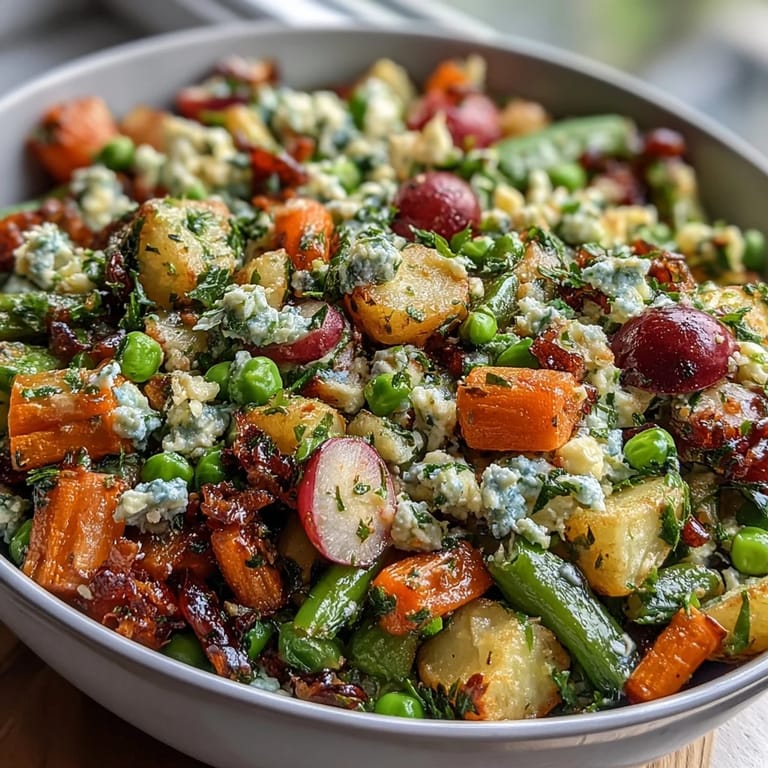
- Use height and color as your guides: pile radishes in one corner, cluster the carrots nearby, scatter the peas and tomatoes and cucumber across the middle. Think of it like painting rather than following a map, because the asymmetrical approach is what catches people's eyes.
- Set the dip:
- Transfer it to a small bowl and nestle that bowl right in the middle or off to one side, depending on your layout. A small spoon in the bowl signals that people should use it, which sounds obvious but I've learned it the hard way.
- The final flourish:
- Scatter microgreens and feta across the top if you're using them, then step back and look at what you've made before anyone arrives. You deserve that moment of feeling proud.
 Save
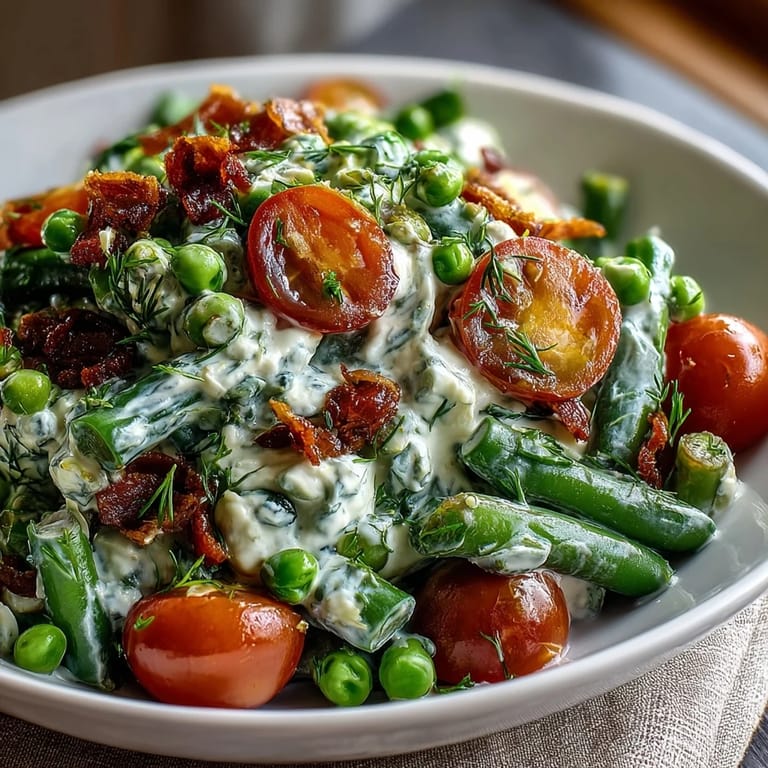
Save There's something about arranging a vegetable board that feels like you're creating something for people to experience together, not just feeding them. The board becomes this edible centerpiece that brings everyone to the same spot on the table, and somehow conversations happen more naturally when people are picking through vegetables side by side.
Why People Always Ask for the Dip Recipe
Everyone assumes the herb dip is complicated because it tastes so fresh and alive, but really it's just yogurt plus the herbs you probably already have in your kitchen. The secret that nobody believes is how much better everything tastes when you use fresh herbs instead of dried—dried herbs feel like they're already past their prime, while fresh ones have this brightness that makes the whole dip taste like spring.
Vegetables That Work Here and Why
Spring is the obvious season for this board, but you can shift the vegetables as the year changes: summer means grape tomatoes and sliced bell peppers and fresh green beans, fall brings you blanched broccoli florets and sliced bell peppers, and even winter can work with sliced fennel, blanched cauliflower, and roasted beets for color. The dip works with literally any vegetable that tastes good raw or barely cooked, so think of this as a template rather than a strict list.
Making This Work for Different Diets
The beauty of a vegetable board is that it's naturally vegetarian and gluten-free as long as you skip the crackers or choose gluten-free ones. For vegans, swap the Greek yogurt for a good quality plant-based version and skip the feta, and honestly the board tastes just as good because the vegetables are what people really came for anyway.
- Use vegan mayo made from aquafaba if you want the dip to stay completely plant-based, though it will be slightly thinner.
- Make extra dip because people always use more of it than you predict, which I've learned multiple times and still somehow forget.
- Prep your vegetables first and keep them in containers in the fridge, then assemble the board right before people arrive so everything looks freshly cut.
 Save
Save This board is proof that the simplest things, made with attention and fresh ingredients, are what people actually want to eat. It's become my go-to move for everything from casual hangouts to more formal entertaining, and I love that it lets the vegetables be the stars instead of hiding them under layers of other things.
Recipe Help
- → What vegetables are featured on this spring board?
It includes breakfast radishes, sugar snap peas, shelled peas, baby carrots, cherry tomatoes, and cucumber slices.
- → How is the herb dip prepared?
The dip combines Greek yogurt, mayonnaise, fresh lemon juice, chopped chives, parsley, dill, garlic, salt, and pepper, mixed until smooth.
- → Can this platter accommodate dietary restrictions?
Yes, it is vegetarian and gluten-free; Greek yogurt can be replaced with plant-based yogurt for a vegan option.
- → Are there recommended garnishes for the board?
Optional garnishes include microgreens, crumbled feta cheese, and assorted crackers or sliced baguette.
- → How long can the dip be stored in advance?
The dip can be prepared ahead and refrigerated for up to two days, allowing for easy meal prep.