 Save
Save I first made teriyaki chicken rice on a Tuesday night when my fridge was nearly empty and my energy was even emptier. A friend had mentioned how she meal-prepped this exact dish every Sunday, and suddenly I understood why—the glossy sauce, the tender chicken, the way everything came together in about forty-five minutes felt less like cooking and more like a small act of kindness to my future self. That first time, I didn't measure the sauce carefully, and it turned out thicker than intended, but the mistake taught me something valuable about balance and patience in the kitchen.
Last spring, I made this for my roommate who was recovering from being sick, and watching her face light up as she took that first bite reminded me why simple, nourishing food matters so much. She asked for the recipe that same evening, and now whenever I smell teriyaki sauce caramelizing in a pan, I think of that moment and smile.
Ingredients
- Boneless, skinless chicken thighs (600 g): Thighs stay juicier than breast meat and stand up beautifully to the glaze without drying out—I learned this after one too many rubbery chicken dinners.
- Vegetable oil (1 tbsp): Just enough to get a proper sear without making the pan greasy; any neutral oil works here.
- Salt and pepper: Season boldly before the chicken hits the pan—this is your only chance to build real flavor into the meat itself.
- Low-sodium soy sauce (80 ml): Low-sodium lets you control the saltiness and keeps the sauce from becoming overwhelming.
- Mirin (60 ml): This sweet Japanese cooking wine is what gives teriyaki its signature gloss and depth; don't skip it for something else.
- Honey or maple syrup (2 tbsp): Adds roundness to the sauce and helps it caramelize beautifully on the chicken.
- Rice vinegar (1 tbsp): A small splash of brightness that cuts through the sweetness and keeps everything from tasting flat.
- Cornstarch (1 tbsp): This is what transforms loose sauce into a thick, clingy glaze that actually sticks to your chicken—the magic ingredient nobody talks about.
- Water (2 tbsp plus 500 ml for rice): The extra water helps the cornstarch dissolve smoothly without lumps.
- Garlic and ginger (1 clove and 1 tsp): Fresh aromatics that wake up the whole dish—minced small so they dissolve into the sauce.
- Jasmine or short-grain rice (250 g): Jasmine rice has a slight floral note that pairs perfectly with teriyaki; short-grain rice gets sticky enough to hold the sauce without falling apart.
- Broccoli, carrots, and red bell pepper: A trio of vegetables that add color, texture, and nutrients; steam them just until tender so they keep a little snap.
- Sesame seeds and spring onions (optional garnishes): These finish the dish with nutty crunch and fresh onion bite that make it feel complete.
Tired of Takeout? 🥡
Get 10 meals you can make faster than delivery arrives. Seriously.
One email. No spam. Unsubscribe anytime.
Instructions
- Prepare your rice:
- Rinse the rice under cold water until the water runs nearly clear—this removes excess starch so each grain stays separate and fluffy. Combine with fresh water in a saucepan, bring to a boil, then cover and simmer on low for 12–15 minutes until all the water is absorbed and you can see little steam holes on the surface.
- Steam the vegetables:
- While rice cooks, steam or blanch broccoli, carrots, and bell pepper for about 3–4 minutes until they're tender but still have a gentle bite. You want them cooked through but not soft; set them aside to cool slightly.
- Build your sauce:
- Whisk together soy sauce, mirin, honey, rice vinegar, cornstarch, water, minced garlic, and grated ginger in a small bowl. The cornstarch will look grainy at first, but that's fine—it'll dissolve when the sauce heats up.
- Sear the chicken:
- Heat oil in a large skillet over medium-high heat until it's hot enough that a piece of chicken sizzles immediately when it hits the pan. Season your chicken pieces generously with salt and pepper, then add them to the pan in a single layer and resist the urge to move them around—let them cook undisturbed for 5–6 minutes until they're golden and cooked through.
- Coat with glaze:
- Pour your prepared teriyaki sauce over the chicken and stir constantly for 2–3 minutes as it thickens, watching the sauce transform from liquid to a glossy, clingy glaze that clings to every piece. You'll know it's ready when it coats the back of a spoon.
- Assemble your bowls:
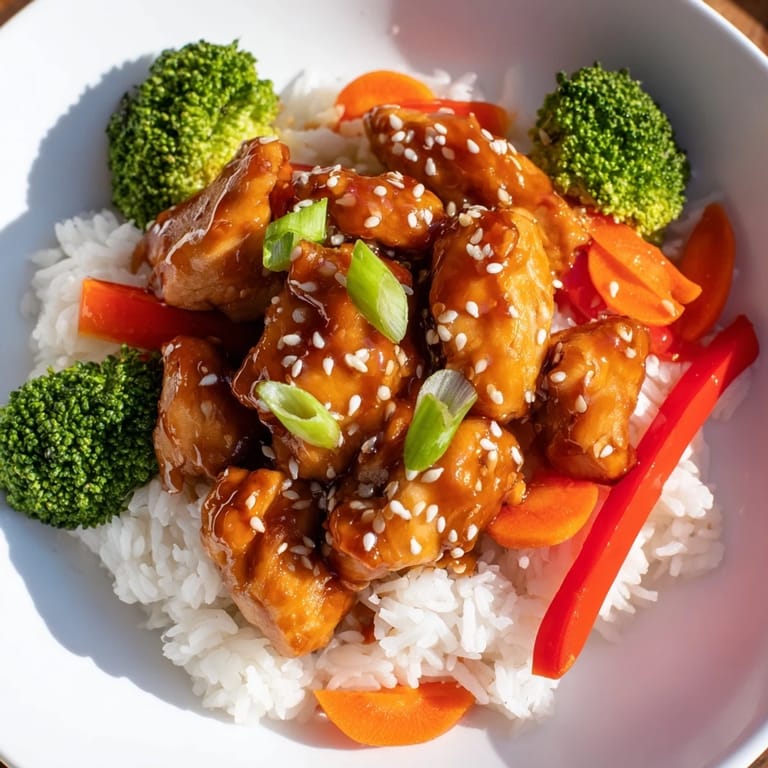
- Divide fluffy rice among containers or bowls, top with teriyaki chicken, then arrange steamed vegetables alongside. Scatter sesame seeds and sliced spring onions over everything if you're using them.
- Cool and store:
- Let everything cool completely before sealing containers; this prevents condensation and keeps the rice from getting mushy. Refrigerate for up to 4 days, reheating gently in a microwave or on the stovetop.
 Save
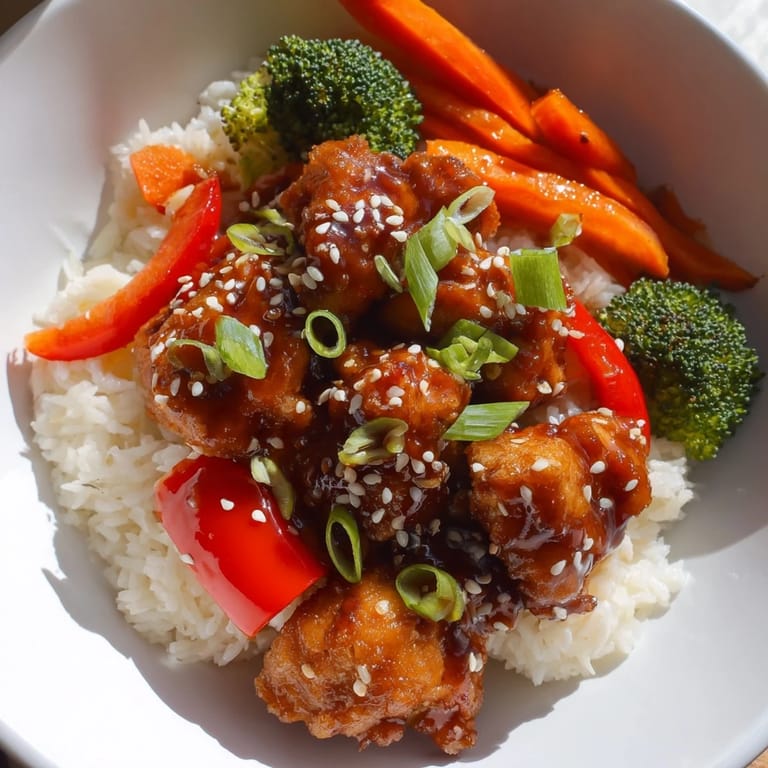
Save There's something deeply satisfying about opening the fridge on a busy Wednesday and seeing those prepared containers waiting for you—no thinking required, just heat and eat. That simple moment of relief has made this dish a permanent fixture in my rotation.
Why Teriyaki Chicken Works for Meal Prep
The beauty of this dish is that it actually improves as it sits in the fridge. The flavors meld together overnight, and when you reheat it, the sauce clings even tighter to the chicken. I've served containers that were four days old and gotten compliments just as genuine as fresh-made versions.
Making It Your Own
Swap the chicken for tofu or turkey breast if you're looking for variety, or add edamame and snap peas for extra protein and a textural contrast that keeps things interesting. Some nights I drizzle extra sriracha on top, or add a squeeze of fresh lime juice right before eating to brighten everything up. The foundation is flexible enough to adapt to whatever's in your fridge and whatever your mood demands that week.
Storage and Reheating Tips
These containers keep beautifully in the fridge for four days, and reheating is simple—either microwave for 2–3 minutes with a splash of water to refresh the sauce, or gently warm in a skillet over medium heat. The rice will soften slightly as it sits, which some people love and others don't, so taste as you go and adjust seasoning if needed. A drizzle of sesame oil right before eating brings everything back to life if you're eating something that's been refrigerated for a few days.
- Microwave reheating works best when you add a teaspoon of water to prevent drying out.
- Fresh sesame seeds and spring onions taste better when added after reheating, not before storing.
- If the sauce seems thin after reheating, that's normal—it thins slightly as it cools, so don't panic.
 Save
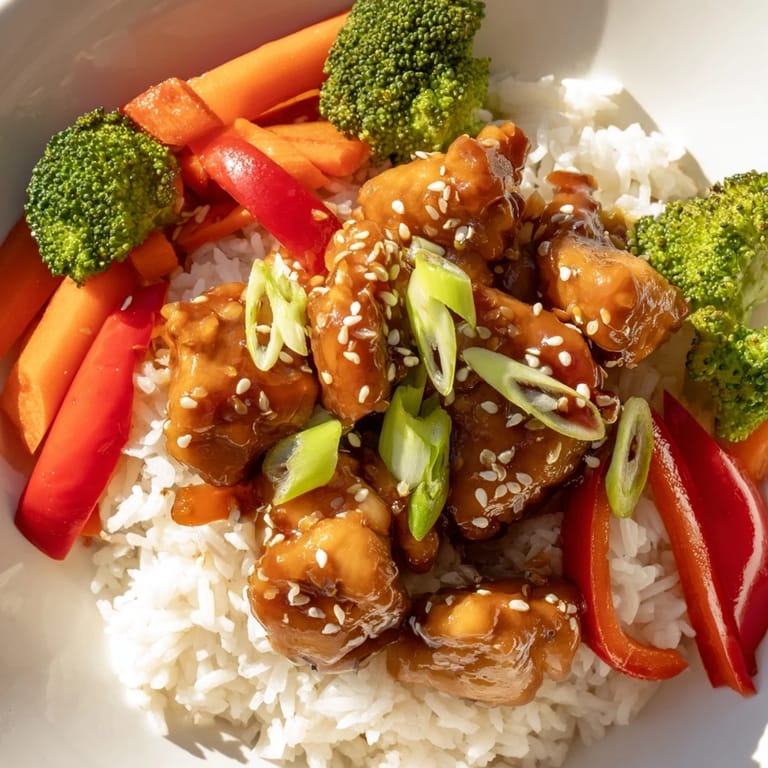
Save This recipe has become my answer to chaotic weeks and hungry friends. It's honest, reliable, and tastes like someone cared enough to cook.
Recipe Help
- → What type of chicken is best for this dish?
Boneless, skinless chicken thighs are preferred for juiciness, but chicken breast can be used for a leaner option.
- → Can the vegetables be substituted?
Yes, snap peas or edamame can replace or supplement broccoli, carrots, and bell pepper for added protein and crunch.
- → How do I thicken the teriyaki glaze properly?
Mix cornstarch with water before adding to the sauce and cook it a few minutes to allow the sauce to thicken and coat the chicken evenly.
- → What rice is recommended for best results?
Jasmine or short-grain rice works well, as it becomes tender and slightly sticky, complementing the chicken and vegetables.
- → Is this dish suitable for gluten-free diets?
Yes, by substituting soy sauce with gluten-free tamari, this dish can be made gluten-free.